
Audi Q5 Timing Chain Problems Explained Symptoms, Causes & Replacement Costs
That faint rattle you hear when you first start your Q5 on a cold morning isn't nothing. It might disappear once the engine warms up, and it's easy to convince yourself it's just "how these cars sound.
That faint rattle you hear when you first start your Q5 on a cold morning isn't nothing. It might disappear once the engine warms up, and it's easy to convince yourself it's just "how these cars sound." But on certain Audi Q5 engines, that rattle is often the earliest warning sign of a timing chain problem, and left unaddressed, it can turn into a repair bill running into thousands rather than hundreds.
This guide breaks down exactly what's happening inside your Q5's engine, which models and engine codes are most commonly affected, what the warning signs actually mean, and what you're realistically looking at in terms of diagnosis and repair. No vague reassurances, no scare tactics, just what you need to know to make the right call for your car.
What Is the Audi Q5 Timing Chain and Why Does It Fail?

Unlike many diesel engines that use a rubber timing belt, the majority of Audi Q5 petrol engines use a timing chain to keep the crankshaft and camshafts working in perfect sync. It's a metal chain rather than rubber, which is why owners are often surprised to hear it can fail at all, "chains don't wear out" is a common assumption, and unfortunately not an accurate one on this particular engine family.
How the Timing Chain Keeps Your Q5's Engine in Sync
The timing chain connects the crankshaft to the camshafts, ensuring the intake and exhaust valves open and close at exactly the right moment relative to piston movement. This relationship is called engine timing, and it's not a small tolerance, even a minor deviation in camshaft timing or crankshaft timing can throw off combustion, trigger fault codes, or in more extreme cases risk piston-to-valve contact on the wrong stroke.
The chain runs continuously under tension, guided by chain guides and held taut by a hydraulic tensioner. As long as the tensioner maintains correct pressure and the guides stay intact, the system works quietly and reliably for a long time. Problems start when any part of that system begins to degrade.
Which Audi Q5 Engines Are Affected? The EA888 Explained
The engine most commonly associated with timing chain issues in the Q5 range is the EA888, a turbocharged petrol unit developed by the Volkswagen Group and used across Audi's TFSI engine lineup. It's a well-regarded engine in many respects, strong performance, reasonable efficiency, but earlier generations of the EA888 in particular developed a known reputation for timing chain tensioner issues.
Chain-Driven vs Belt-Driven: Why This Matters for the Q5
If your Q5 runs a diesel engine, it's likely belt-driven and follows a completely different maintenance pattern, scheduled belt replacement at a fixed interval, similar to other TDI-family diesels. If it's a 2.0 TFSI petrol, it's almost certainly chain-driven, and the maintenance conversation shifts from "when do I replace this on schedule" to "how do I recognise wear before it becomes a failure," since chains aren't typically replaced on a fixed calendar interval the way belts are.
Knowing which type your specific Q5 has is the first step to understanding what you're actually dealing with, and the most reliable way to confirm it is by checking your engine code, not just assuming based on the model name.
What Causes Audi Q5 Timing Chain Failure?
Timing chain failure on the EA888 and similar engines rarely happens without warning, and it's rarely caused by one single factor. It's usually a combination of design tolerances and how the car has been maintained.
Oil Starvation, Sludge & Service Neglect
The timing chain and tensioner rely on consistent oil pressure and clean lubrication to function correctly. Common contributing factors include:
- Extended oil change intervals beyond what the engine's actual condition supports, allowing sludge to build up
- Incorrect oil specification, using an oil that doesn't meet the engine's approved standard can affect tensioner performance
- Low oil pressure at idle, particularly on higher-mileage engines, which can starve the tensioner of the pressure it needs to keep the chain taut
Chain Guide and Tensioner Wear Over Time
Beyond lubrication, the mechanical components themselves wear with use:
- Guide rail wear, where the plastic or composite guides that keep the chain aligned gradually degrade
- Hydraulic tensioner failure, where the tensioner itself loses the ability to maintain correct chain tension
- Chain elongation (often called chain "stretch"), where the chain's links wear at their pins, effectively lengthening the chain and increasing slack
Any one of these on its own might cause a minor symptom. Combined, they accelerate each other, a loose chain wears its guides faster, worn guides put more strain on the tensioner, and so on.
Symptoms of a Failing Audi Q5 Timing Chain

Recognising the early symptoms is what separates a straightforward repair from an engine rebuild. Here's what to actually listen and watch for.
Why Does My Audi Q5 Rattle on Cold Start?
This is the single most reported symptom, and it's a genuinely useful diagnostic clue. A cold start rattle happens because oil pressure takes a moment to build after the engine has been sitting, and a worn tensioner that's already struggling to maintain tension becomes even less effective without full oil pressure behind it. As the engine warms and oil pressure stabilises, the rattle often fades, which is exactly why owners frequently dismiss it as normal.
It isn't normal. A cold start rattle that appears consistently, even briefly, is typically the earliest reliable sign that your timing chain tensioner is beginning to wear.
Warning Signs You Should Never Ignore
Beyond the cold start rattle, watch for:
- Persistent rattling or ticking noise that continues after the engine has warmed up, not just at startup
- Rough idle or a noticeable vibration at low RPM
- Engine misfires, particularly under light throttle or at idle
- Reduced power or hesitation under acceleration
- Illuminated check engine light, often accompanied by stored fault codes related to timing
If you're hearing a startup rattle that's now lasting longer than it used to, or noticing any of these symptoms alongside it, that's a strong signal the wear has progressed beyond the earliest stage.
Fault Codes Linked to Timing Chain Problems
A diagnostic scan can often confirm what your ears are telling you. Fault codes commonly associated with timing chain and tensioner wear include camshaft and crankshaft correlation codes (indicating the two aren't rotating in the expected relationship to each other) and variable valve timing circuit codes, which can point to the camshaft adjuster struggling to respond correctly because chain slack is throwing off its positioning. These codes don't always name "timing chain" directly, which is exactly why a proper diagnostic inspection matters rather than guessing from the dashboard warning light alone.
Can You Still Drive With Timing Chain Noise?
Short journeys at low risk, potentially, but it's not something to rely on for any length of time. A timing chain that's audibly rattling has already lost some of its correct tension, and that slack tends to worsen progressively rather than staying stable. In the worst-case scenario, sufficient chain slack allows valve timing to jump enough to cause piston-to-valve contact, particularly on interference-style engine designs, which converts a moderate repair into a full engine rebuild or replacement. If you're hearing persistent rattling, the honest advice is to get it diagnosed promptly rather than waiting to see how it progresses.
Diagnosis, Repair & Replacement Costs

Once you suspect a timing chain issue, the next steps are diagnosis, understanding your repair options, and knowing roughly what to budget for.
How Timing Chain Problems Are Diagnosed
A proper diagnosis typically involves more than just plugging in a scanner. A thorough inspection includes:
- Fault code retrieval to identify any stored correlation or timing-related codes
- Live data monitoring, checking camshaft and crankshaft timing values against expected specification while the engine runs
- Physical inspection where accessible, checking chain tension and visible wear on guides
- Oil condition assessment, since sludge or contamination often points to a contributing cause rather than just the symptom
What You Can Check at Home Before Booking a Diagnosis
Before booking anything, a few quick checks can help you describe the problem accurately:
- Note whether the rattle happens only on cold start or persists once warm
- Check your oil level and condition, dark, sludgy oil is a useful data point for the technician
- Note any recent check engine light activity, even if it's cleared itself
- Keep track of when the noise started relative to your last service, if you can recall it
None of this replaces a proper diagnostic inspection, but it gives whoever inspects the car a much clearer starting point.
Repair vs Full Replacement: Which Do You Need?
This depends entirely on how far the wear has progressed. In early cases, replacing just the tensioner or chain guides may resolve the issue if the chain itself hasn't elongated significantly. In more advanced cases, particularly where chain stretch is confirmed, a full timing chain kit replacement, including chain, guides, and tensioner together, is the more reliable fix. Replacing only one worn component while leaving an already-stretched chain in place tends to result in the same symptoms returning within a relatively short time.
Audi Q5 Timing Chain Replacement Cost
Costs vary depending on how much of the system needs replacing and how accessible it is on your specific engine layout. As a general shape, expect the price to reflect:
- Parts, ranging from a tensioner-only repair at the lower end to a full chain, guide, and tensioner kit at the higher end
- Labour, this is often the larger portion of the bill, since the timing chain on many EA888 variants sits at the back of the engine, close to the bulkhead, which can mean significant disassembly to reach it
- Additional components, if inspection reveals related wear worth addressing at the same time
Because the range differs meaningfully depending on what's actually found during diagnosis, the most accurate figure comes from a proper inspection of your specific vehicle rather than a flat number applied to every Q5.
OEM vs Aftermarket Timing Chain Kits
Factor | OEM (Genuine Audi/VAG) Kit | Quality Aftermarket Kit |
| Tolerance matching | Matched to original factory specification | Generally close, varies by manufacturer |
| Cost | Typically higher | Often more affordable |
| Warranty | Usually backed by manufacturer part warranty | Varies by supplier |
| Availability | Dealer or specialist order | Widely available through specialists |
Given how labour-intensive this repair is, most specialists recommend fitting a genuine or well-regarded aftermarket kit rather than the cheapest option available, the labour cost to do the job again if a budget part fails prematurely far outweighs any saving on the part itself.
Should the Water Pump Be Replaced at the Same Time?
On some engine layouts, the water pump sits close enough to the timing chain assembly that replacing it during the same job adds relatively little extra labour. If your Q5's water pump is approaching its own service life, it's worth asking your specialist whether combining the jobs makes sense, avoiding paying for the same disassembly labour twice within a short period.
Preventing Timing Chain Failure & Booking a Repair
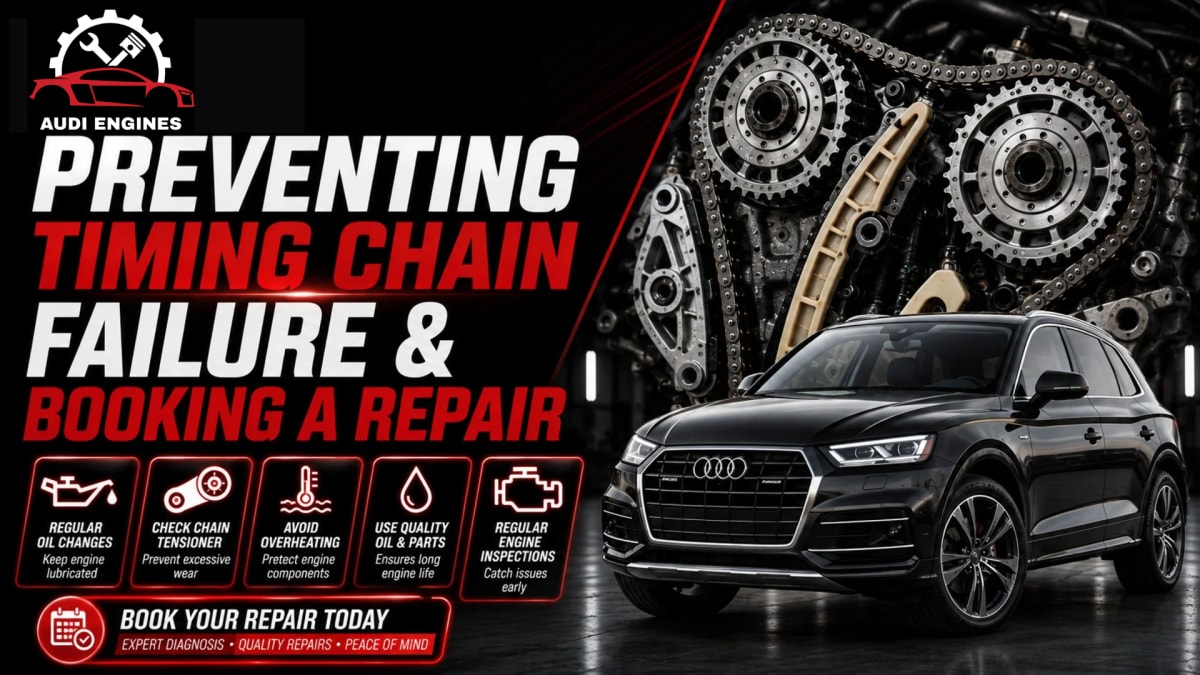
Once the immediate problem is addressed, the focus shifts to keeping it from happening again, or catching it early if you're not experiencing symptoms yet.
How Long Should an Audi Timing Chain Last?
Unlike a timing belt, there's no single fixed mileage or year figure Audi publishes for timing chain replacement, since chains are generally designed to last the life of the engine under proper maintenance. In practice, many owners get well beyond 100,000 miles without issue, while others, particularly on the earlier EA888 generations, or where oil maintenance has been inconsistent, see symptoms appear considerably earlier. This variability is exactly why symptom recognition matters more than a calendar reminder for this particular component.
Preventative Maintenance Tips for Q5 Owners
A few habits genuinely reduce your risk:
- Stick to correct oil change intervals, and don't stretch them based on a service light alone if your driving is mostly short journeys
- Use the correct oil specification for your engine, not just any oil that fits the filler cap
- Address a cold start rattle immediately rather than waiting for it to worsen
- Keep a documented service history, which helps both with resale value and with any warranty discussion if a fault develops
Is Audi Q5 Timing Chain Failure Covered Under Warranty?
If your Q5 is still within its manufacturer warranty period, timing chain and tensioner failure may be covered as a component defect, though this can depend on the specific circumstances and whether maintenance requirements were met. Some markets have seen manufacturer goodwill contributions or extended coverage on specific engine generations known for this issue, but these arrangements vary by case and aren't guaranteed. If your car is out of the standard warranty period, it's worth asking directly whether any extended or goodwill provision might apply to your specific engine code and mileage before assuming you'll be covering the full cost yourself.
Book an Audi Q5 Timing Chain Inspection or Repair
If you're hearing a cold start rattle, a check engine light has appeared, or you simply want peace of mind on a higher-mileage EA888-engined Q5, getting it properly inspected now is far more cost-effective than waiting to find out how far the wear has progressed. A specialist familiar with this specific engine family can confirm what's actually happening and give you a clear, honest picture of what repair, if any, is genuinely needed.
Frequently Asked Questions
What are Audi Q5 timing chain problems?
They typically involve wear in the timing chain, its guides, or the hydraulic tensioner, most commonly affecting EA888-engined petrol Q5s, leading to symptoms like cold start rattle, rough idle, and in advanced cases, engine timing faults.
Why does my Audi Q5 timing chain rattle?
A cold start rattle usually indicates the timing chain tensioner is struggling to maintain correct chain tension before oil pressure fully builds, which is often the earliest sign of developing wear.
How much does timing chain replacement cost?
It depends on whether a tensioner-only repair or a full chain kit replacement is needed, plus labour, which tends to be significant given where the chain sits on many EA888 engine layouts. A specific quote requires a proper inspection of your vehicle.
Can a timing chain be repaired, or does it need full replacement?
In early-stage wear, replacing just the tensioner or guides can resolve the issue. Once the chain itself has elongated, a full kit replacement is the more reliable long-term fix.
Is Audi timing chain failure covered under warranty?
It can be, depending on your warranty status, engine generation, and documented maintenance history. It's worth checking directly rather than assuming either way.
Can low oil pressure damage the timing chain?
Yes, the tensioner relies on adequate oil pressure to maintain correct chain tension, so extended oil change intervals or low oil pressure can directly contribute to premature wear.
Can I drive with timing chain noise?
Short-term, often yes, but it's not advisable to continue for long. Chain slack tends to worsen progressively, and in the worst cases can lead to significant engine damage.
Does the check engine light indicate timing chain issues?
It can. Camshaft and crankshaft correlation fault codes, along with variable valve timing circuit codes, are commonly linked to timing chain and tensioner wear, though a proper diagnostic scan is needed to confirm the cause.